生图失败
看下方 Trace 时间线找具体出错环节。
原始错误信息
Error code: 403 - {'error': {'message': 'Your organization must be verified to use the model `gpt-image-2`. Please go to: https://platform.openai.com/settings/organization/general and click on Verify Organization. If you just verified, it can take up to 15 minutes for access to propagate.', 'type': 'invalid_request_error', 'param': None, 'code': None}}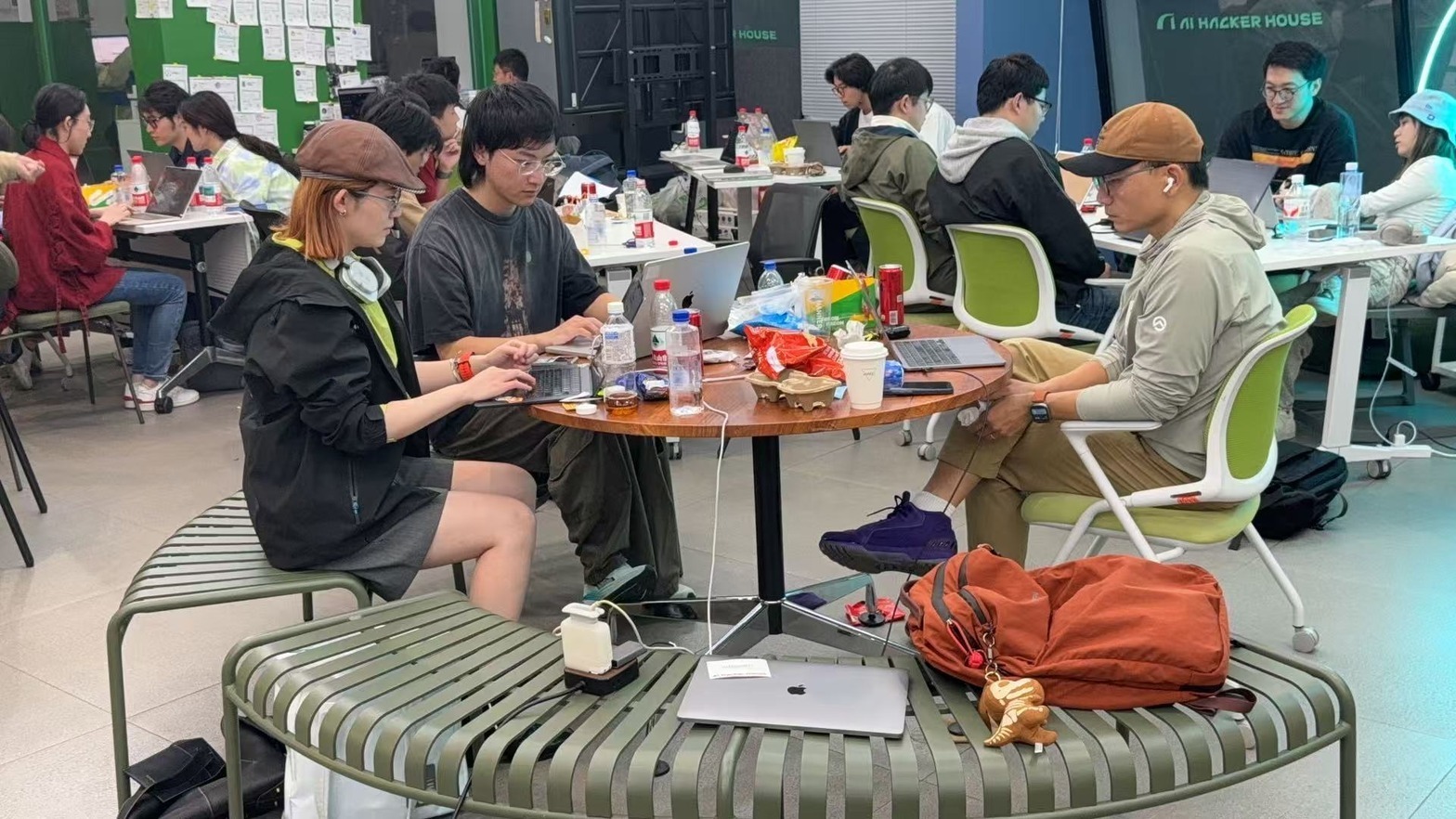
正始七年,邺城
正始七年,邺城。陈季平与王仲文、嵇叔度三人席地围坐漆案前,案上竹简摊开,墨迹未干。季平蹙眉指着简上一行字:“这一句若改成'云气横生',是否更妙?“仲文摇头笑道:“你这是画蛇添足。“叔度懒懒倚着凭几,抓起一颗枣栗丢进嘴里:“改不改都成,反正没人看得懂。“青瓷耳杯里的浊酒微漾,窗外竹影斜了三寸。
考据映射 · 12 条
- 笔记本电脑MODERN竹简束● 强证据
将竹或木片削成长条(竹简长约 23-25 厘米、宽 0.5-1.2 厘米),阴干后以麻绳或丝编联成册(称"编")。一片可书约 20-40 字。魏晋时期与帛书、纸并行,官府文书、法律、佛经早期多用竹简。
甘肃武威磨咀子魏晋简、新疆尼雅晋简大量出土,官府文书主要载体
来源:- 实物:甘肃武威磨咀子汉晋墓出土简牍(甘肃省博物馆藏) - 实物:新疆尼雅遗址东晋"五星出东方"锦护臂同墓出土简牍 - 文献:西晋·陈寿《三国志·吴书》查看图景 → - 塑料水瓶MODERN青瓷耳杯● 强证据
椭圆形浅口杯,两侧各伸出一耳(月牙形或三角形短把),双手捧举。长约 10-15 厘米、宽约 6-9 厘米、深 3-4 厘米。越窑、婺州窑烧制,青灰釉色,内外施釉。
江苏南京大学北园东晋墓出土完整青瓷耳杯,椭圆双耳饮器
来源:- 实物:江苏南京大学北园东晋墓出土青瓷耳杯(南京博物院藏) - 文献:唐·房玄龄等《晋书·食货志》 - 实物:浙江越窑遗址出土残件查看图景 → - 零食包装袋MODERN枣栗● 强证据
红枣与板栗的合称,魏晋常见招待客人与佐酒小食。红枣去核晒干,呈深红皱缩状;板栗去壳,金黄色圆球。装盘可单种或合盘,多以小漆碟盛装,佐[[浊酒]]或配[[胡饼]]。《颜氏家训》"枣栗之属,馈问之微礼也"。
《齐民要术》卷四详载种枣种栗,《世说新语·德行》载枣栗为招待小食
来源:- 文献:北魏·贾思勰《齐民要术》卷四 - 文献:南朝·刘义庆《世说新语·德行》 - 文献:北齐·颜之推《颜氏家训·治家》查看图景 → - 现代椅子MODERN席● 强证据
以蒲草、莞草、竹篾编织的方形或长方形垫,长宽 80-120 厘米,厚 1-3 厘米。礼制讲究"席不正不坐"。一人一席(独坐)或多人同席(共坐)。讲究场合用双层席(下素席 + 上加彩席)。
嘉峪关新城魏晋墓画像砖宴饮图清晰描绘席地坐,魏晋无垂足椅
来源:- 文献:先秦·《礼记·曲礼》(魏晋延续) - 图像:甘肃嘉峪关新城魏晋五号墓画像砖"宴饮图" - 图像:南京西善桥南朝墓《竹林七贤与荣启期》砖画查看图景 → - 圆桌MODERN漆案● 强证据
长方形或椭圆形木质矮案,四足极短(一般 10-20 厘米),面板宽约 50-80 厘米,长约 60-100 厘米。髹黑漆或朱漆,案沿可描金云气纹。席地围坐时使用,每人一案或共用大案。
安徽马鞍山朱然墓、南京象山东晋墓出土完整漆案,席地围坐矮案
来源:- 实物:安徽马鞍山朱然墓出土漆案 - 图像:东晋·顾恺之《列女仁智图》 - 实物:江苏南京象山东晋王兴之墓漆器组合查看图景 → - 眼镜MODERN移除移除 移除
眼镜明代才传入,魏晋无此物
- 现代T恤(screen-left黑衣)MODERN大袖衫(玄色)● 强证据
交领右衽宽袖长衫,袖宽可达50-60厘米,袖长过手20-30厘米,衣长及膝或过膝。多用葛布、细麻布或丝绸制成,不束腰带,任其自然下垂。
《晋书·五行志》载“大袖衫“为士族标志服,顾恺之《女史箴图》可见形制
来源:- 文献:南朝·刘义庆《世说新语·容止》 - 图像:东晋·顾恺之《洛神赋图》(宋摹本) - 文献:南朝·萧统《文选·赋》查看图景 → - 现代T恤(screen-center深色)MODERN缺胯衫(绛色)● 强证据
《释名·释衣服》载“缺胯衫“为日常便服,南朝画像砖多见
- 现代帽子(screen-left棕帽)MODERN幅巾● 强证据
长方形丝绸或细麻布巾,长约1.5米,宽约40厘米,缠绕于头部后在额前或脑后打结,两端自然下垂或插入巾内。
《世说新语·容止》多处载名士“幅巾”,竹林七贤砖画可见实物形制
来源:- 文献:晋·房玄龄等《晋书·舆服志》 - 文献:南朝·刘义庆《世说新语·雅量》 - 图像:东晋·顾恺之《洛神赋图》查看图景 → - 现代帽子(screen-right浅帽)MODERN葛巾● 强证据
《晋书·谢安传》载“葛巾“为夏季清凉首服,与幅巾同类但材质更轻
- 耳机MODERN移除移除 移除
现代物无对应,直接移除
- 背包MODERN竹笥● 强证据
竹编或木制方形盖箱,边长 30-60 厘米,盖可全揭。竹笥常编成六角或万字纹,木笥髹黑漆或朱漆。用于贮衣、贮书、贮礼品。出行时以绳系担挑。
安徽马鞍山朱然墓出土漆笥、竹笥实物,《颜氏家训·勉学》载“笥中之书”
来源:- 实物:安徽马鞍山朱然墓出土漆笥 - 文献:北齐·颜之推《颜氏家训·勉学》 - 文献:北魏·贾思勰《齐民要术》查看图景 →
▸ Trace 时间线 · 15 条
▸ 图像编辑 prompt · 3863 字
Photo-realistic cinematic still — as if a modern full-frame camera (Canon 5D, 85mm) traveled back in time to capture an authentic Wei-Jin scene. NOT painterly, NOT stylized ancient look, NOT desaturated documentary, NOT sepia — natural color rendition where vivid mineral pigments and dyed silks read as they actually look under real light. Edit the first input image. PRESERVE: identical face per person (same identity, eyes, nose, mouth, skin — NEVER replace with AI face), exact body pose (all three seated unchanged), facing direction (screen-left faces screen-right, screen-center faces screen-right, screen-right faces screen-left), screen-left/center/right positions (viewer perspective), hand gestures, camera framing. Modify only clothing, hair, objects, background, lighting.

PERSON ON SCREEN-LEFT (orig: wears black jacket, wears cap, has headphones) → REMOVE eyeglasses, headphones, modern cap; clothing: dark indigo cross-collar wide-sleeve silk robe (daxiushan) reaching ankles, natural drape with cloud-pattern hem embroidery, deep black with subtle sheen; hair: topknot wrapped in dark brown cloth headband (fujin) tied at back, clean forehead, no modern haircut; sits cross-legged on woven floor mat as input.

PERSON ON SCREEN-CENTER (orig: wears dark T-shirt, has glasses) → REMOVE eyeglasses; clothing: deep crimson cross-collar moderate-sleeve robe (quehuashan) to mid-calf, cinched at waist with dark leather belt, plain silk with minimal ornament; hair: topknot wrapped in grey-brown cloth headband (gejin), tied simply; sits on mat as input.

PERSON ON SCREEN-RIGHT (orig: wears light hoodie, wears cap, has earphones) → REMOVE modern cap, earphones; clothing: pale grey-blue cross-collar wide-sleeve robe with subtle indigo trim, loose flowing silk; hair: topknot wrapped in light beige cloth headband (fujin); sits on mat as input.

Setting + lighting:室内顶灯打光evidence存在 → 保留原图均匀室内光线 — render as soft diffused interior light from paper-lattice windows or oil lamps, no harsh shadows, even illumination across scene. Background: Wei-Jin scholar study interior (woven floor mats 席 replacing all chairs, low wooden lacquered tables 漆案 replacing round table, paper-lattice windows 直棂窗, exposed wood beams, ink-painted folding screen 屏风 against back wall, bamboo document tubes and ceramic jars on side shelf). Replace laptops with bundled bamboo slips 竹简 (vertical black ink characters visible), water bottles with celadon ear-cups 青瓷耳杯 (oval pale-blue-grey glaze), snack bags with small ceramic dish of dried jujubes and chestnuts 枣栗, backpack with square bamboo storage box 竹笥. COLOR: silks dyed with indigo/vermilion/ochre and walls/objects pigmented with cinnabar 朱砂, malachite 石绿, azurite 石青 are inherently saturated — render at full chroma like real film captures vivid pigments (NOT desaturated, NOT muted earth tones, NOT washed-out, NOT sepia, NOT painterly stylization). TEXT/CALLIGRAPHY: NO modern text, NO logos, NO English/simplified printed characters, NO gibberish AI script. If writing must appear (bamboo slips 竹简 / wall plaques), it must be Wei-Jin clerical 隶书 or early regular 楷书 brushed in black ink, vertical columns right-to-left, no punctuation, no horizontal layout. PREFER abstract ink strokes over readable characters; if model cannot render authentic Wei-Jin script, leave surface blank. REMOVE: neon, LED, modern furniture, chairs, eyeglasses, watches, microphones, posters, English signs, modern logos, headphones, backpacks (replace as specified). Style: photo-realistic, NOT painting/illustration/anime/ink-wash. Wei Jin (220-589 AD) ONLY. CRITICAL: NO chairs/stools/benches/sofas (sit on woven mat 席 only); NO post-Wei-Jin hair (NO Tang high buns, Song parted, Qing braid, modern short cuts); NO Tang/Song/Ming/Qing/Japanese/Korean styles; NO cotton fabric, folding fans, blue-white porcelain. Faces unchanged.
▸ Claude 原始返回 · 7733 字
```json
{
  "scene_recognition": {
    "scene_type": "办公讨论",
    "people_count": 3,
    "lighting_evidence": "室内顶灯打光,无窗,均匀白光照明",
    "modern_elements": [
      {"name": "笔记本电脑", "category": "器物工具"},
      {"name": "塑料水瓶", "category": "饮食"},
      {"name": "零食包装袋", "category": "饮食"},
      {"name": "现代椅子", "category": "坐具家具"},
      {"name": "圆桌", "category": "坐具家具"},
      {"name": "眼镜", "category": "首服/发型"},
      {"name": "现代T恤", "category": "服饰"},
      {"name": "现代帽子", "category": "首服/发型"},
      {"name": "耳机", "category": "器物工具"},
      {"name": "背包", "category": "器物工具"}
    ]
  },
  "mappings": [
    {
      "modern": "笔记本电脑",
      "ancient": "竹简束",
      "category": "器物工具",
      "rationale": "甘肃武威磨咀子魏晋简、新疆尼雅晋简大量出土,官府文书主要载体",
      "evidence_strength": "●",
      "wiki_ref": "[[竹简]]",
      "atlas_ref": "09_sunwei_gaoyitu"
    },
    {
      "modern": "塑料水瓶",
      "ancient": "青瓷耳杯",
      "category": "饮食",
      "rationale": "江苏南京大学北园东晋墓出土完整青瓷耳杯,椭圆双耳饮器",
      "evidence_strength": "●",
      "wiki_ref": "[[青瓷耳杯]]",
      "atlas_ref": "14_qingci_jishouhu"
    },
    {
      "modern": "零食包装袋",
      "ancient": "枣栗",
      "category": "饮食",
      "rationale": "《齐民要术》卷四详载种枣种栗,《世说新语·德行》载枣栗为招待小食",
      "evidence_strength": "●",
      "wiki_ref": "[[枣栗]]",
      "atlas_ref": "32_jiayuguan_brick_paochu_3ren"
    },
    {
      "modern": "现代椅子",
      "ancient": "席",
      "category": "坐具家具",
      "rationale": "嘉峪关新城魏晋墓画像砖宴饮图清晰描绘席地坐,魏晋无垂足椅",
      "evidence_strength": "●",
      "wiki_ref": "[[席]]",
      "atlas_ref": "10_zhulinqixian_zhuanhua"
    },
    {
      "modern": "圆桌",
      "ancient": "漆案",
      "category": "坐具家具",
      "rationale": "安徽马鞍山朱然墓、南京象山东晋墓出土完整漆案,席地围坐矮案",
      "evidence_strength": "●",
      "wiki_ref": "[[漆案]]",
      "atlas_ref": "09_sunwei_gaoyitu"
    },
    {
      "modern": "眼镜",
      "ancient": "移除",
      "category": "首服/发型",
      "rationale": "眼镜明代才传入,魏晋无此物",
      "evidence_strength": "移除",
      "wiki_ref": "",
      "atlas_ref": ""
    },
    {
      "modern": "现代T恤(screen-left黑衣)",
      "ancient": "大袖衫(玄色)",
      "category": "服饰",
      "rationale": "《晋书·五行志》载"大袖衫"为士族标志服,顾恺之《女史箴图》可见形制",
      "evidence_strength": "●",
      "wiki_ref": "[[大袖衫]]",
      "atlas_ref": "09_sunwei_gaoyitu"
    },
    {
      "modern": "现代T恤(screen-center深色)",
      "ancient": "缺胯衫(绛色)",
      "category": "服饰",
      "rationale": "《释名·释衣服》载"缺胯衫"为日常便服,南朝画像砖多见",
      "evidence_strength": "●",
      "wiki_ref": "[[大袖衫]]",
      "atlas_ref": "xhs09_daxiuru_wenren"
    },
    {
      "modern": "现代帽子(screen-left棕帽)",
      "ancient": "幅巾",
      "category": "首服/发型",
      "rationale": "《世说新语·容止》多处载名士"幅巾",竹林七贤砖画可见实物形制",
      "evidence_strength": "●",
      "wiki_ref": "[[幅巾]]",
      "atlas_ref": "10_zhulinqixian_zhuanhua"
    },
    {
      "modern": "现代帽子(screen-right浅帽)",
      "ancient": "葛巾",
      "category": "首服/发型",
      "rationale": "《晋书·谢安传》载"葛巾"为夏季清凉首服,与幅巾同类但材质更轻",
      "evidence_strength": "●",
      "wiki_ref": "[[幅巾]]",
      "atlas_ref": "10_zhulinqixian_zhuanhua"
    },
    {
      "modern": "耳机",
      "ancient": "移除",
      "category": "器物工具",
      "rationale": "现代物无对应,直接移除",
      "evidence_strength": "移除",
      "wiki_ref": "",
      "atlas_ref": ""
    },
    {
      "modern": "背包",
      "ancient": "竹笥",
      "category": "器物工具",
      "rationale": "安徽马鞍山朱然墓出土漆笥、竹笥实物,《颜氏家训·勉学》载"笥中之书"",
      "evidence_strength": "●",
      "wiki_ref": "[[笥]]",
      "atlas_ref": "57_han_mawangdui_lacquer_set"
    }
  ],
  "edit_prompt": "Photo-realistic cinematic still — as if a modern full-frame camera (Canon 5D, 85mm) traveled back in time to capture an authentic Wei-Jin scene. NOT painterly, NOT stylized ancient look, NOT desaturated documentary, NOT sepia — natural color rendition where vivid mineral pigments and dyed silks read as they actually look under real light. Edit the first input image. PRESERVE: identical face per person (same identity, eyes, nose, mouth, skin — NEVER replace with AI face), exact body pose (all three seated unchanged), facing direction (screen-left faces screen-right, screen-center faces screen-right, screen-right faces screen-left), screen-left/center/right positions (viewer perspective), hand gestures, camera framing. Modify only clothing, hair, objects, background, lighting.\n\nPERSON ON SCREEN-LEFT (orig: wears black jacket, wears cap, has headphones) → REMOVE eyeglasses, headphones, modern cap; clothing: dark indigo cross-collar wide-sleeve silk robe (daxiushan) reaching ankles, natural drape with cloud-pattern hem embroidery, deep black with subtle sheen; hair: topknot wrapped in dark brown cloth headband (fujin) tied at back, clean forehead, no modern haircut; sits cross-legged on woven floor mat as input.\n\nPERSON ON SCREEN-CENTER (orig: wears dark T-shirt, has glasses) → REMOVE eyeglasses; clothing: deep crimson cross-collar moderate-sleeve robe (quehuashan) to mid-calf, cinched at waist with dark leather belt, plain silk with minimal ornament; hair: topknot wrapped in grey-brown cloth headband (gejin), tied simply; sits on mat as input.\n\nPERSON ON SCREEN-RIGHT (orig: wears light hoodie, wears cap, has earphones) → REMOVE modern cap, earphones; clothing: pale grey-blue cross-collar wide-sleeve robe with subtle indigo trim, loose flowing silk; hair: topknot wrapped in light beige cloth headband (fujin); sits on mat as input.\n\nSetting + lighting:室内顶灯打光evidence存在 → 保留原图均匀室内光线 — render as soft diffused interior light from paper-lattice windows or oil lamps, no harsh shadows, even illumination across scene. Background: Wei-Jin scholar study interior (woven floor mats 席 replacing all chairs, low wooden lacquered tables 漆案 replacing round table, paper-lattice windows 直棂窗, exposed wood beams, ink-painted folding screen 屏风 against back wall, bamboo document tubes and ceramic jars on side shelf). Replace laptops with bundled bamboo slips 竹简 (vertical black ink characters visible), water bottles with celadon ear-cups 青瓷耳杯 (oval pale-blue-grey glaze), snack bags with small ceramic dish of dried jujubes and chestnuts 枣栗, backpack with square bamboo storage box 竹笥. COLOR: silks dyed with indigo/vermilion/ochre and walls/objects pigmented with cinnabar 朱砂, malachite 石绿, azurite 石青 are inherently saturated — render at full chroma like real film captures vivid pigments (NOT desaturated, NOT muted earth tones, NOT washed-out, NOT sepia, NOT painterly stylization). TEXT/CALLIGRAPHY: NO modern text, NO logos, NO English/simplified printed characters, NO gibberish AI script. If writing must appear (bamboo slips 竹简 / wall plaques), it must be Wei-Jin clerical 隶书 or early regular 楷书 brushed in black ink, vertical columns right-to-left, no punctuation, no horizontal layout. PREFER abstract ink strokes over readable characters; if model cannot render authentic Wei-Jin script, leave surface blank. REMOVE: neon, LED, modern furniture, chairs, eyeglasses, watches, microphones, posters, English signs, modern logos, headphones, backpacks (replace as specified). Style: photo-realistic, NOT painting/illustration/anime/ink-wash. Wei Jin (220-589 AD) ONLY. CRITICAL: NO chairs/stools/benches/sofas (sit on woven mat 席 only); NO post-Wei-Jin hair (NO Tang high buns, Song parted, Qing braid, modern short cuts); NO Tang/Song/Ming/Qing/Japanese/Korean styles; NO cotton fabric, folding fans, blue-white porcelain. Faces unchanged.",
  "scene_narrative": {
    "text": "正始七年,邺城。陈季平与王仲文、嵇叔度三人席地围坐漆案前,案上竹简摊开,墨迹未干。季平蹙眉指着简上一行字:"这一句若改成'云气横生',是否更妙?"仲文摇头笑道:"你这是画蛇添足。"叔度懒懒倚着凭几,抓起一颗枣栗丢进嘴里:"改不改都成,反正没人看得懂。"青瓷耳杯里的浊酒微漾,窗外竹影斜了三寸。",
    "character_names": ["陈季平", "王仲文", "嵇叔度"],
    "era_setting": "正始七年,邺城",
    "objects_mentioned": ["竹简", "漆案", "枣栗", "青瓷耳杯", "浊酒", "凭几"]
  }
}
```