永和九年,建康
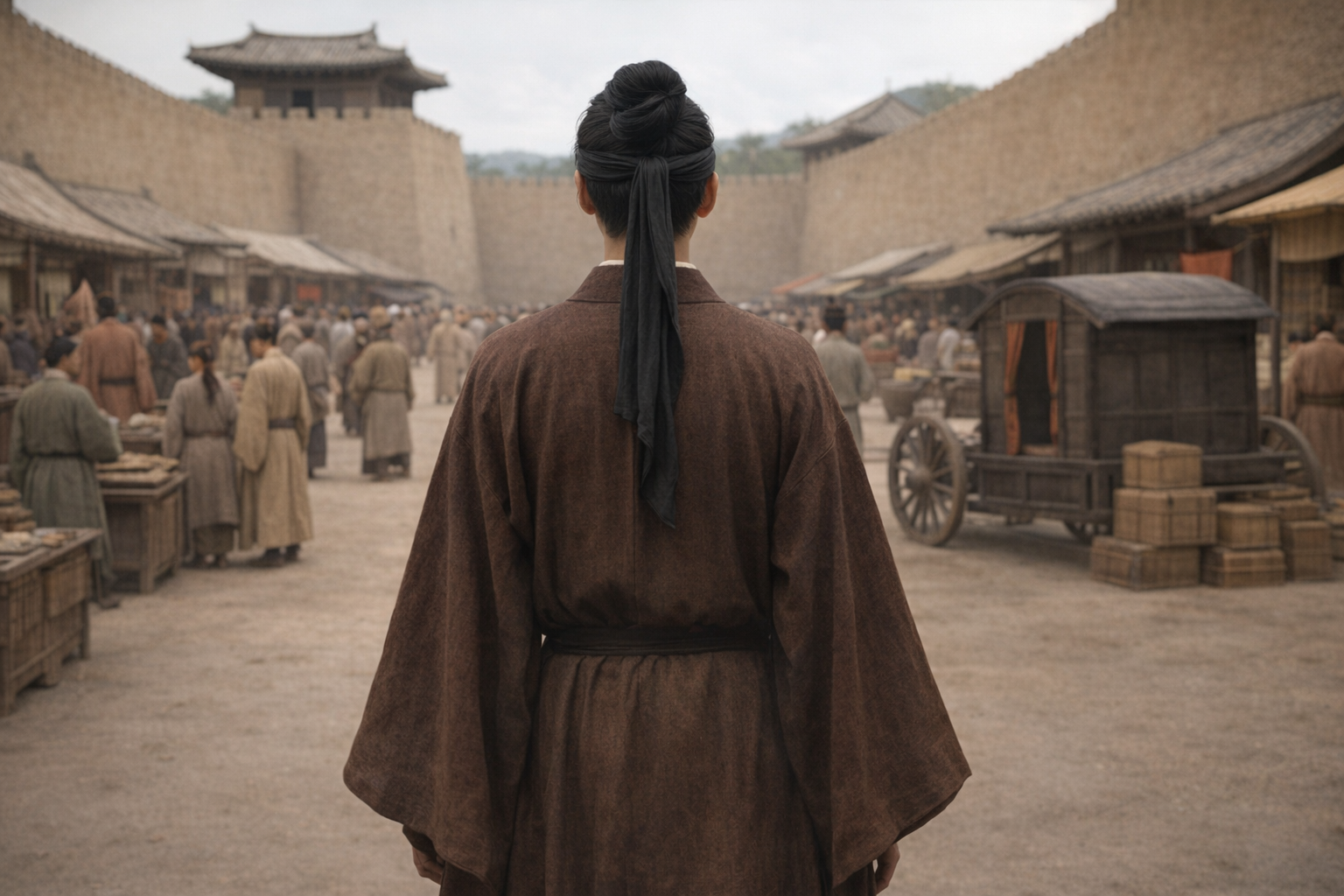
永和九年,建康。王叔明立于市井一隅,负手望向远处坞堡高墙。身后牛车缓行,车帘微动,竹笥堆叠车旁。叔明今日本欲往西市寻一卷《庄子》旧抄,行至此处忽见墙头望楼,想起少时随父巡视田庄,不禁驻足。市声渐起,贩夫走卒往来如织,有人挑担叫卖蒸饼,有人赶牛车运货。叔明微微摇头,转身欲行,衣袖随风一扬。远处传来一声驴鸣。
考据映射 · 8 条
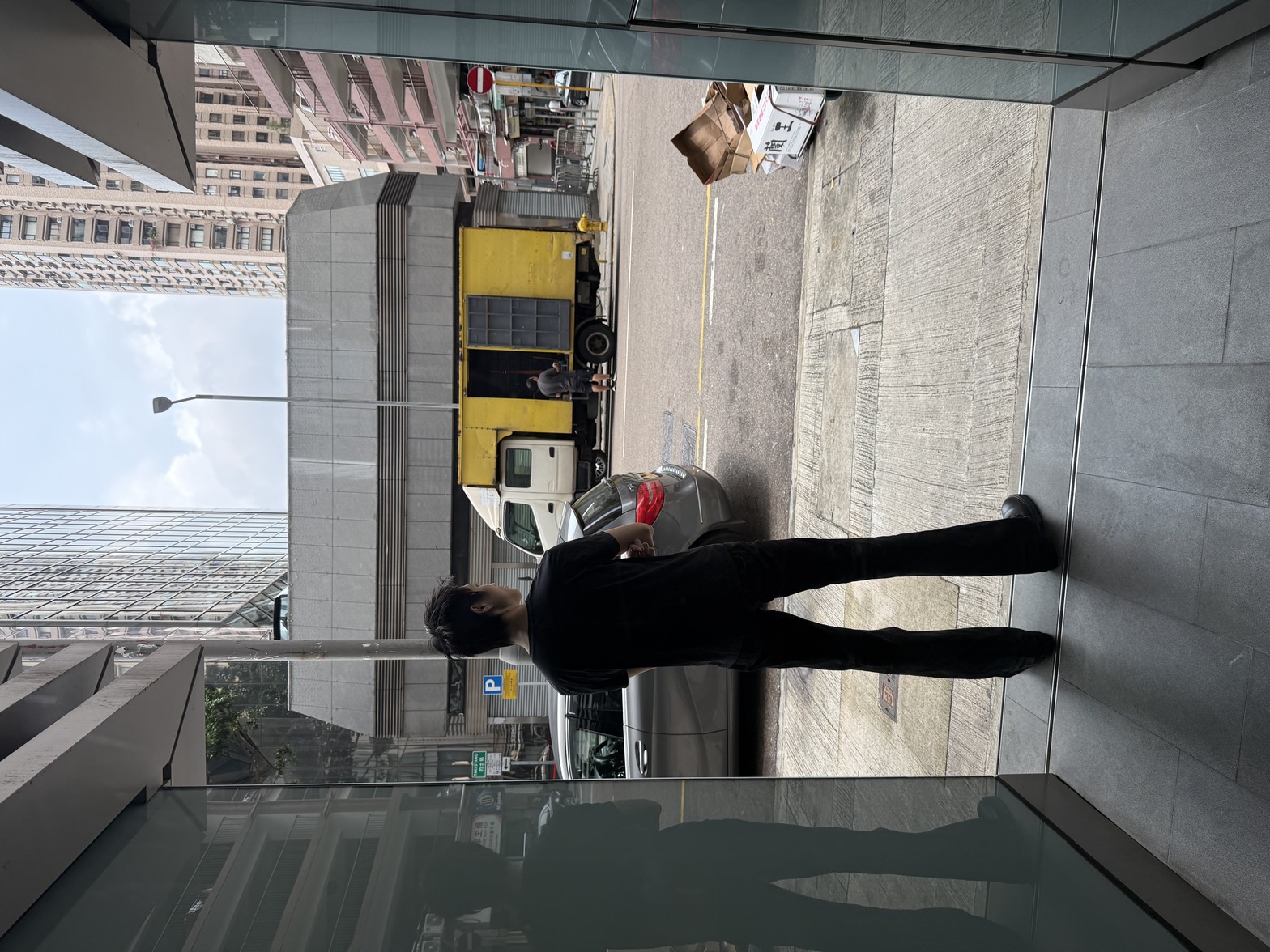
- 黑色现代服装MODERN深褐大袖衫● 强证据
交领右衽宽袖长衫,袖宽可达50-60厘米,袖长过手20-30厘米,衣长及膝或过膝。多用葛布、细麻布或丝绸制成,不束腰带,任其自然下垂。
《世说新语》载名士“衣褐振裾”,深色大袖衫为文人标配
来源:- 文献:南朝·刘义庆《世说新语·容止》 - 图像:东晋·顾恺之《洛神赋图》(宋摹本) - 文献:南朝·萧统《文选·赋》查看图景 → - 短发MODERN束髻戴幅巾● 强证据
长方形丝绸或细麻布巾,长约1.5米,宽约40厘米,缠绕于头部后在额前或脑后打结,两端自然下垂或插入巾内。
《晋书·舆服志》载“魏晋名士多以幅巾为雅”
来源:- 文献:晋·房玄龄等《晋书·舆服志》 - 文献:南朝·刘义庆《世说新语·雅量》 - 图像:东晋·顾恺之《洛神赋图》查看图景 → - 现代建筑玻璃幕墙MODERN坞堡夯土高墙● 强证据
豪族防御性庄园建筑群,由高墙环绕多座房屋构成。外墙高 5-8 米,夯土或土坯砌筑,四角设望楼("角楼")。墙内有主人居住的厅堂、子弟学舍、奴仆居所、仓库、厩舍、水井,甚至手工作坊。规模大者达数里,小者百步方圆。是三国至南北朝战乱年代豪族庇护族人的核心居所。
河南郑州后庄王壁画墓描绘坞堡全景,高墙环绕
来源:- 图像:内蒙古和林格尔东汉晚期壁画墓"庄园图"(延续至魏晋) - 文献:唐·房玄龄等《晋书·祖逖传》 - 图像:甘肃嘉峪关新城魏晋六号墓画像砖"坞堡图"查看图景 → - 黄色卡车MODERN牛车● 强证据
双轮木制车厢,车厢前有长辕驾于牛颈(单牛或双牛)。车厢长约 150-200 厘米、宽约 100-140 厘米、高约 130-170 厘米。顶部有华盖或硬顶厢,侧面开门或垂帘。魏晋贵族出行首选,南朝"达官贵人皆乘牛车"。牛行缓慢平稳(约 3-5 公里/时),适合车内读书、清谈、会客。
《南齐书·舆服志》详载牛车形制,魏晋贵族首选
来源:- 实物:河北磁县湾漳北朝墓出土陶牛车俑 - 实物:江苏南京象山东晋王兴之墓陶牛车 - 文献:南朝·梁·萧子显《南齐书·舆服志》查看图景 → - 纸箱MODERN竹笥● 强证据
竹编或木制方形盖箱,边长 30-60 厘米,盖可全揭。竹笥常编成六角或万字纹,木笥髹黑漆或朱漆。用于贮衣、贮书、贮礼品。出行时以绳系担挑。
马鞍山朱然墓出土漆笥、竹笥实物,贮物用
来源:- 实物:安徽马鞍山朱然墓出土漆笥 - 文献:北齐·颜之推《颜氏家训·勉学》 - 文献:北魏·贾思勰《齐民要术》查看图景 → - 现代街道MODERN西市东市井字街巷● 强证据
城市内划定的商业区,四周有墙环绕,设市门朝开夕闭。内部以"井"字形街道分割为方形商铺区块("市井")。不同行业分列,称"肆"或"行"——粮肆、布肆、铁肆、陶肆等。洛阳、建康、邺城皆设东西两市。
《洛阳伽蓝记》详载洛阳市井布局,方正街道
来源:- 文献:北魏·杨衒之《洛阳伽蓝记》 - 文献:唐·许嵩《建康实录》 - 实物:北魏洛阳永宁寺遗址周边遗迹查看图景 → - 高楼大厦MODERN望楼● 强证据
坞堡、关塞、城池四角或要害处的高层木构楼阁,高 2-4 层(10-20 米)。每层有窗可瞭望,顶覆庑殿顶。木柱立于夯土台基。用于军事瞭望、传令、示警(挂旗、燃烽)。魏晋战乱频繁,坞堡望楼是豪族自保的关键设施。
嘉峪关魏晋墓画像砖“坞堡图“明见望楼
来源:- 图像:河北安平逯家庄东汉晚期壁画墓(延续至魏晋) - 图像:甘肃嘉峪关新城魏晋六号墓画像砖"坞堡图" - 图像:内蒙古和林格尔东汉晚期壁画墓查看图景 → - 背对镜头姿态MODERN负手远眺● 强证据
《世说新语·容止》多载名士“负手而立“姿态
▸ Trace 时间线 · 14 条
▸ 图像编辑 prompt · 1866 字
Photo-realistic documentary photo (Canon 5D, 85mm, natural daylight). Edit the first input image. PRESERVE: identical face (same identity, eyes, nose, mouth, skin — NEVER replace with AI face), exact body pose (standing upright unchanged), facing direction (facing away, back to camera), screen-center position, hand gestures, camera framing. Modify only clothing, hair, background.

PERSON IN CENTER (orig: black clothing, short hair, standing with back to camera) → REMOVE modern clothing; clothing: wide-sleeved robe (daxiushan) in deep brown kudzu fabric, cross-collar right lapel, extremely wide sleeves 50cm across extending past hands, knee-length, loose fit without belt, flowing elegant scholar's garment; hair: hair gathered into topknot wrapped with black silk head wrap (fujin) 1.5m long, ends hanging naturally at back; stands as input with back to camera.

Background: Wei-Jin fortified manor (wubao) exterior, high rammed-earth walls 5-8m tall in earth-yellow and beige, corner watchtower with low-curve hip roof visible in distance, ox-drawn wooden cart with lacquered black exterior and curtained doors near wall, bamboo storage boxes (si) stacked beside cart,井-grid street layout of urban market district (xishi) with small open-front stalls, crowds in hemp robes, natural mineral pigment colors (ochre, deep green, vermilion accents where appropriate). Remove: modern glass buildings, yellow truck, cardboard boxes, neon, LED, modern vehicles, English/simplified text, modern logos, concrete pavement. Style: photo-realistic, NOT painting/illustration/anime. Wei Jin (220-589 AD) ONLY. CRITICAL: NO chairs (sit on floor mat only); NO post-Wei-Jin hair (NO Tang high buns, Song parted, Qing braid, modern short cuts); NO Tang/Song/Ming/Qing/Japanese/Korean styles; NO cotton, folding fans, blue-white porcelain, eyeglasses, watches. Face unchanged.
▸ Claude 原始返回 · 4507 字
```json
{
  "scene_recognition": {
    "scene_type": "户外街景",
    "people_count": 1,
    "modern_elements": [
      {"name": "黑色现代服装", "category": "服饰"},
      {"name": "短发", "category": "首服/发型"},
      {"name": "现代建筑玻璃幕墙", "category": "空间场景"},
      {"name": "黄色卡车", "category": "交通工具"},
      {"name": "纸箱", "category": "器物工具"},
      {"name": "现代街道", "category": "空间场景"},
      {"name": "高楼大厦", "category": "空间场景"}
    ]
  },
  "mappings": [
    {
      "modern": "黑色现代服装",
      "ancient": "深褐大袖衫",
      "category": "服饰",
      "rationale": "《世说新语》载名士"衣褐振裾",深色大袖衫为文人标配",
      "evidence_strength": "●",
      "wiki_ref": "[[大袖衫]]",
      "atlas_ref": "09_sunwei_gaoyitu"
    },
    {
      "modern": "短发",
      "ancient": "束髻戴幅巾",
      "category": "首服/发型",
      "rationale": "《晋书·舆服志》载"魏晋名士多以幅巾为雅"",
      "evidence_strength": "●",
      "wiki_ref": "[[幅巾]]",
      "atlas_ref": "10_zhulinqixian_zhuanhua"
    },
    {
      "modern": "现代建筑玻璃幕墙",
      "ancient": "坞堡夯土高墙",
      "category": "空间场景",
      "rationale": "河南郑州后庄王壁画墓描绘坞堡全景,高墙环绕",
      "evidence_strength": "●",
      "wiki_ref": "[[坞堡]][[夯土墙]]",
      "atlas_ref": "40_jiayuguan_brick_WUBAO"
    },
    {
      "modern": "黄色卡车",
      "ancient": "牛车",
      "category": "交通工具",
      "rationale": "《南齐书·舆服志》详载牛车形制,魏晋贵族首选",
      "evidence_strength": "●",
      "wiki_ref": "[[牛车]]",
      "atlas_ref": "31_jiayuguan_brick_niuche"
    },
    {
      "modern": "纸箱",
      "ancient": "竹笥",
      "category": "器物工具",
      "rationale": "马鞍山朱然墓出土漆笥、竹笥实物,贮物用",
      "evidence_strength": "●",
      "wiki_ref": "[[笥]]",
      "atlas_ref": ""
    },
    {
      "modern": "现代街道",
      "ancient": "西市东市井字街巷",
      "category": "空间场景",
      "rationale": "《洛阳伽蓝记》详载洛阳市井布局,方正街道",
      "evidence_strength": "●",
      "wiki_ref": "[[西市东市]]",
      "atlas_ref": ""
    },
    {
      "modern": "高楼大厦",
      "ancient": "望楼",
      "category": "空间场景",
      "rationale": "嘉峪关魏晋墓画像砖"坞堡图"明见望楼",
      "evidence_strength": "●",
      "wiki_ref": "[[望楼]]",
      "atlas_ref": "40_jiayuguan_brick_WUBAO"
    },
    {
      "modern": "背对镜头姿态",
      "ancient": "负手远眺",
      "category": "姿态",
      "rationale": "《世说新语·容止》多载名士"负手而立"姿态",
      "evidence_strength": "●",
      "wiki_ref": "",
      "atlas_ref": "09_sunwei_gaoyitu"
    }
  ],
  "edit_prompt": "Photo-realistic documentary photo (Canon 5D, 85mm, natural daylight). Edit the first input image. PRESERVE: identical face (same identity, eyes, nose, mouth, skin — NEVER replace with AI face), exact body pose (standing upright unchanged), facing direction (facing away, back to camera), screen-center position, hand gestures, camera framing. Modify only clothing, hair, background.\n\nPERSON IN CENTER (orig: black clothing, short hair, standing with back to camera) → REMOVE modern clothing; clothing: wide-sleeved robe (daxiushan) in deep brown kudzu fabric, cross-collar right lapel, extremely wide sleeves 50cm across extending past hands, knee-length, loose fit without belt, flowing elegant scholar's garment; hair: hair gathered into topknot wrapped with black silk head wrap (fujin) 1.5m long, ends hanging naturally at back; stands as input with back to camera.\n\nBackground: Wei-Jin fortified manor (wubao) exterior, high rammed-earth walls 5-8m tall in earth-yellow and beige, corner watchtower with low-curve hip roof visible in distance, ox-drawn wooden cart with lacquered black exterior and curtained doors near wall, bamboo storage boxes (si) stacked beside cart,井-grid street layout of urban market district (xishi) with small open-front stalls, crowds in hemp robes, natural mineral pigment colors (ochre, deep green, vermilion accents where appropriate). Remove: modern glass buildings, yellow truck, cardboard boxes, neon, LED, modern vehicles, English/simplified text, modern logos, concrete pavement. Style: photo-realistic, NOT painting/illustration/anime. Wei Jin (220-589 AD) ONLY. CRITICAL: NO chairs (sit on floor mat only); NO post-Wei-Jin hair (NO Tang high buns, Song parted, Qing braid, modern short cuts); NO Tang/Song/Ming/Qing/Japanese/Korean styles; NO cotton, folding fans, blue-white porcelain, eyeglasses, watches. Face unchanged.",
  "scene_narrative": {
    "text": "永和九年,建康。王叔明立于市井一隅,负手望向远处坞堡高墙。身后牛车缓行,车帘微动,竹笥堆叠车旁。叔明今日本欲往西市寻一卷《庄子》旧抄,行至此处忽见墙头望楼,想起少时随父巡视田庄,不禁驻足。市声渐起,贩夫走卒往来如织,有人挑担叫卖蒸饼,有人赶牛车运货。叔明微微摇头,转身欲行,衣袖随风一扬。远处传来一声驴鸣。",
    "character_names": ["王叔明"],
    "era_setting": "永和九年,建康",
    "objects_mentioned": ["牛车", "竹笥", "坞堡", "望楼", "蒸饼"]
  }
}
```